When it comes to your family’s health, waiting until something feels seriously wrong is rarely the right approach. Early detection changes outcomes. It gives doctors more options, patients more time, and families more peace of mind. Across Jhansi and the wider Bundelkhand region, more families are now choosing to get diagnostic tests done proactively rather than reactively. At Jhansi Diagnostics & Fetal Medicine Centre, a growing number of patients come in not because of a crisis but because they understand the value of catching things early.
Here are the diagnostic tests Jhansi families are relying on for early detection and why.
Ultrasound: The First Line of Internal Imaging
Ultrasound is one of the most versatile diagnostic tools available. It uses sound waves to create real-time images of organs, tissues, and blood flow inside the body, with no radiation involved. That makes it safe for patients of all ages, including pregnant women and young children.
For abdominal concerns, an ultrasound can detect early-stage issues in the liver, kidneys, gallbladder, spleen, and pancreas before symptoms become severe. For women, a pelvic ultrasound screens for ovarian cysts, fibroids, and other conditions that are far more manageable when found early. For men, scrotal ultrasounds can detect abnormalities that would otherwise go unnoticed.
Families in Jhansi are increasingly using ultrasound as part of annual health check-ups rather than waiting for a referral. The ultrasound services at Jhansi Diagnostics & Fetal Medicine Centre cover abdominal, pelvic, musculoskeletal, and Doppler studies, all under one roof.
Fetal Medicine Scans: Protecting Pregnancies from the Start
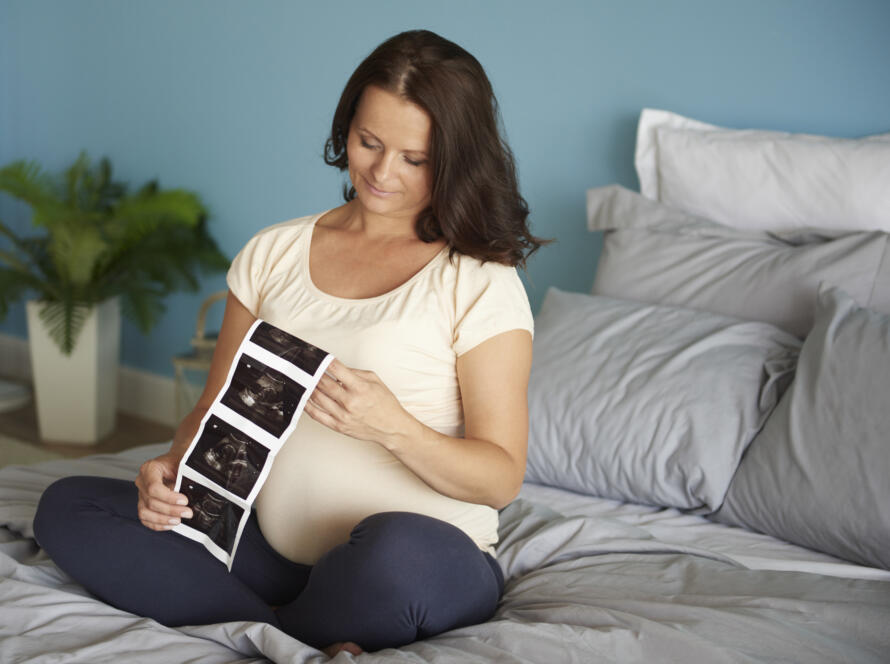
For expecting mothers in Jhansi, access to fetal medicine expertise has made a significant difference in how high-risk pregnancies are managed. A fetal medicine scan goes well beyond a routine pregnancy ultrasound. It examines the baby’s anatomy in detail, assesses growth, evaluates blood flow through the placenta, and screens for chromosomal and structural conditions.
The NT scan in the first trimester and the anomaly scan at 18 to 20 weeks are two of the most important scans any pregnant woman can have. When these are carried out by a trained fetal medicine specialist with the right equipment, the accuracy of findings improves considerably.
Families who have experienced pregnancy complications or losses in the past particularly value the reassurance that detailed fetal medicine monitoring brings. You can read more about what to expect from a fetal medicine consultation on the dedicated page.
Digital X-Ray: Fast, Accurate, and Low Radiation
A digital X-ray remains one of the quickest ways to get a clear picture of bone health, lung condition, and certain abdominal concerns. For families in Jhansi, having access to modern digital X-ray technology means results are available the same day, images are sharper than older film-based systems, and radiation exposure is significantly lower.
Parents bring children in for X-rays after injuries, elderly family members come for chest evaluations, and adults use it as part of annual check-ups. The range of conditions a digital X-ray can detect early, from lung infections to spinal abnormalities to early arthritis, makes it a practical tool for the whole family across different life stages.
ECG: Knowing Your Heart Before It Speaks Up
Heart disease is one of the leading causes of premature death in India, and many people have no warning symptoms until something serious happens. An ECG test changes that. It records the electrical activity of your heart and can detect arrhythmias, signs of a previous heart attack, enlarged heart chambers, and conduction abnormalities, often before the patient feels anything unusual.
In Jhansi, more adults above 40 are now including an ECG test in their annual health check-up routine. It takes under 15 minutes, involves no discomfort, and gives your doctor a baseline reading of your heart health that becomes increasingly valuable over time. For families with a history of heart disease, diabetes, or hypertension, an annual ECG is not optional. It’s sensible.
Why Early Detection Matters More in Smaller Cities
In metropolitan cities, specialist care is often more accessible. In Jhansi and across Bundelkhand, families have historically had to travel long distances for advanced diagnostics. That gap is narrowing. Having a centre locally that offers ultrasound, fetal medicine, digital X-ray, and ECG under one roof means that early detection is no longer a privilege reserved for those who can afford to travel.
The practical impact of this is real. A condition caught at an early stage through a routine scan in Jhansi can be managed locally or with a focused specialist referral, rather than being discovered late when it requires emergency intervention elsewhere.
What Makes a Diagnostic Centre Worth Trusting
Families don’t just choose a diagnostic centre for its equipment. They choose it for accuracy, for how the staff treats them, and for the confidence that comes from knowing the reports are reliable. At Jhansi Diagnostics & Fetal Medicine Centre, every test is carried out by trained professionals with a focus on precision and patient comfort.
If you have questions about which tests are right for your family, the FAQs page is a good starting point. You can also explore the full range of our services or learn more about the centre’s approach on the about us page.
Booking is straightforward through the booking appointment page. No long queues, no unnecessary delays.
Your family’s health is worth staying ahead of. Early detection is how you do that.