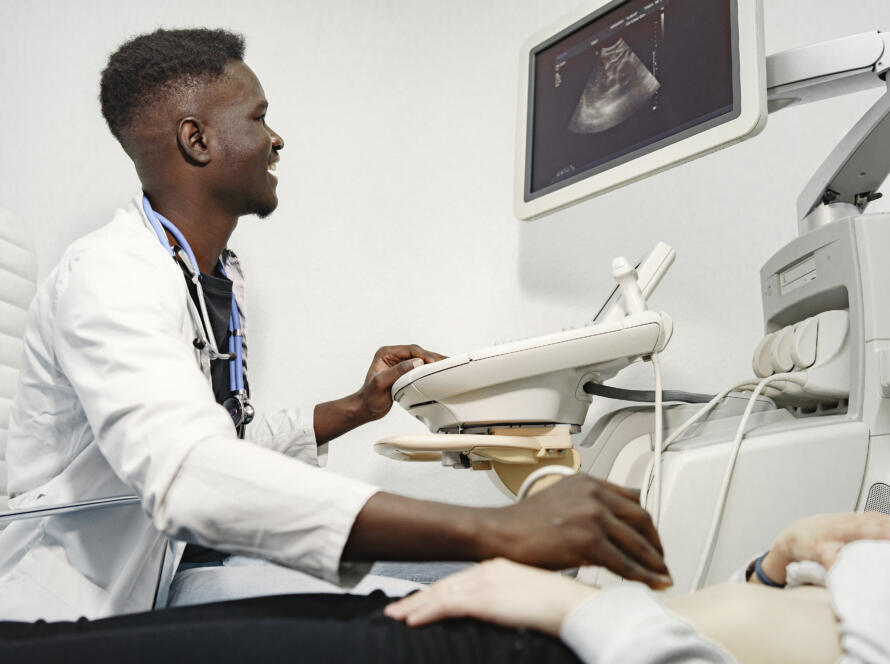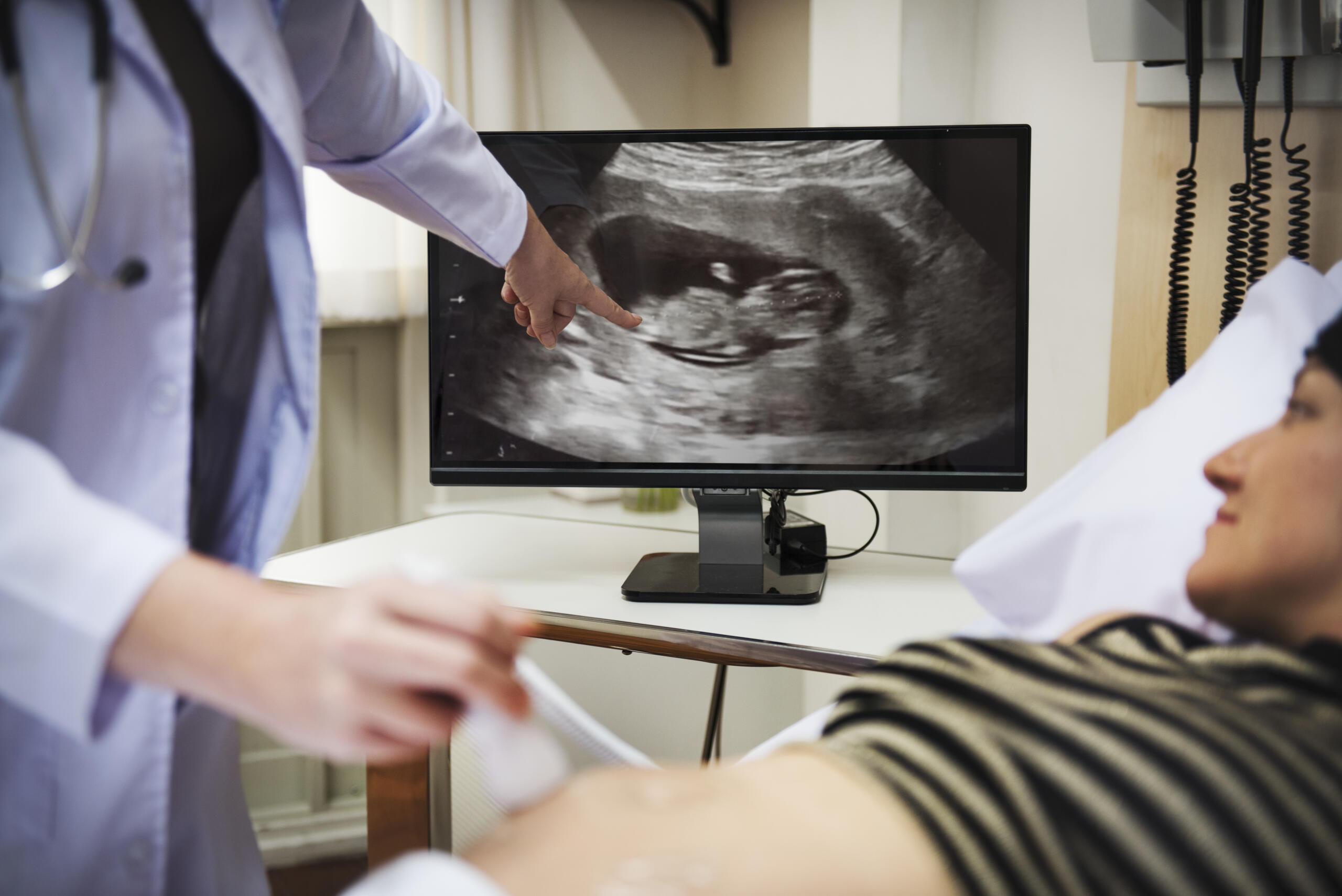
Pregnancy brings with it a series of scans, each one serving a specific purpose at a specific stage of your baby’s development. Two of the most important are the NT scan and the anomaly scan. Together, they form the backbone of fetal screening in the first and second trimester. Yet many expecting mothers in Jhansi arrive for these scans without fully understanding what they’re looking for or what the results actually mean. At Jhansi Diagnostics & Fetal Medicine Centre, Dr Furquan Ahmad, MBBS MD, takes the time to ensure every patient leaves with a clear understanding of their scan and their baby’s development.
Here is a straightforward explanation of both scans, directly from a fetal medicine specialist.
What Is the NT Scan?
NT stands for nuchal translucency. The NT scan is carried out between 11 and 14 weeks of pregnancy and is one of the first detailed assessments of your baby’s development. The scan measures the fluid-filled space at the back of the baby’s neck. In a normally developing baby, this space is small. When it’s larger than expected, it can indicate an increased risk of chromosomal conditions such as Down syndrome, Edwards syndrome, or Patau syndrome, as well as certain heart defects.
The NT scan also confirms the baby’s gestational age more accurately than the last menstrual period date, checks for a nasal bone (absence of which can be associated with chromosomal conditions), and looks at the baby’s overall structure as far as is visible at this stage. When combined with a blood test called the double marker, the NT scan forms what is known as the combined first trimester screening, which gives a more accurate risk assessment than either test alone.
It’s important to understand that the NT scan is a screening test, not a diagnostic one. A higher-than-normal NT measurement does not confirm a chromosomal condition. It means the risk is elevated and further testing may be recommended. Dr Furquan Ahmad explains these distinctions carefully to every patient at Jhansi Diagnostics & Fetal Medicine Centre so that results are understood in their proper context, not misinterpreted as a definitive diagnosis.
When Should the NT Scan Be Done?
Timing is critical for the NT scan. The window is narrow: between 11 weeks and 13 weeks 6 days of pregnancy. Before 11 weeks, the nuchal translucency may not yet be measurable. After 14 weeks, the fluid is absorbed and the measurement is no longer meaningful. Missing this window means waiting until the second trimester for the anomaly scan, without the benefit of first trimester screening.
If you’re unsure of your exact dates or haven’t yet confirmed your gestational age, an early dating scan can help establish where you are in the pregnancy so the NT scan can be scheduled at the right time. The ultrasound department at Jhansi Diagnostics & Fetal Medicine Centre provides both dating scans and NT scans, making it straightforward to get both done in one place.
What Is the Anomaly Scan?
The anomaly scan, also called the mid-pregnancy scan or the 20-week scan, is carried out between 18 and 22 weeks of pregnancy. It is the most detailed structural assessment of the baby available during pregnancy and is an essential part of antenatal care for every expecting mother, regardless of whether the NT scan results were normal.
During the anomaly scan, Dr Furquan Ahmad systematically examines the baby’s head, brain, face, spine, heart, lungs, abdominal organs, kidneys, bladder, limbs, and placental position. Each structure is checked against established norms for that gestational age. The scan also measures the baby’s growth and assesses the amniotic fluid level.
The anomaly scan can detect a wide range of structural differences including neural tube defects, heart defects, cleft lip, kidney abnormalities, limb differences, and abdominal wall defects. Some of these findings, when identified early, allow families and doctors to prepare appropriately, either with further monitoring, specialist referrals, or in some cases, planning delivery at a centre with neonatal facilities.
What Happens If the Anomaly Scan Finds Something?
This is the question most parents are afraid to ask but need to understand before they go in for the scan. Finding something on an anomaly scan does not automatically mean a serious problem. Some findings are soft markers, minor variations that may resolve on their own or simply warrant closer monitoring. Others may require a follow-up scan or a referral to a specialist.
Dr Furquan Ahmad at Jhansi Diagnostics & Fetal Medicine Centre distinguishes carefully between a finding that needs immediate action, one that needs monitoring, and one that is a normal variant. This distinction matters enormously for how parents process the information and what steps come next. A clear explanation at this point prevents unnecessary panic while ensuring nothing genuinely important is overlooked. For more on what a fetal medicine consultation involves, the dedicated page has full details.
How Are the NT Scan and Anomaly Scan Different?
The two scans serve different purposes and are not interchangeable. The NT scan screens for chromosomal risk using a specific measurement in the first trimester. The anomaly scan assesses the baby’s physical structure in detail in the second trimester. Both are necessary. One does not replace the other.
Think of it this way: the NT scan tells you about genetic risk at an early stage, while the anomaly scan tells you whether the baby’s organs and body structures are forming as expected. A normal NT scan does not guarantee a normal anomaly scan, and vice versa. Both scans together give the most complete picture of the baby’s development available during pregnancy.
How to Prepare for Each Scan
For the NT scan, a full bladder is sometimes helpful in early pregnancy to improve image quality, though this varies by patient and gestational age. Dr Furquan Ahmad will advise on this at the time of booking.
For the anomaly scan, a full bladder is generally not required as the baby is larger and easier to visualise by 18 to 20 weeks. Wearing comfortable, loose clothing makes the appointment easier. Bringing any previous scan reports or blood test results is always helpful so the doctor can review the full picture.
If you have questions about how to prepare, the FAQs page covers common queries. You can also view the complete range of our services available at the centre.
Book Your NT Scan or Anomaly Scan in Jhansi
Both the NT scan and the anomaly scan are available at Jhansi Diagnostics & Fetal Medicine Centre and are performed personally by Dr Furquan Ahmad. For families in Jhansi and across Bundelkhand, this means access to specialist-level fetal screening without travelling to a larger city.
Book your appointment through the website or reach the team through the contact us page. The earlier these scans are planned, the more time there is to act on whatever they find.
Your baby’s development deserves the most accurate picture possible. These two scans are where that picture begins.