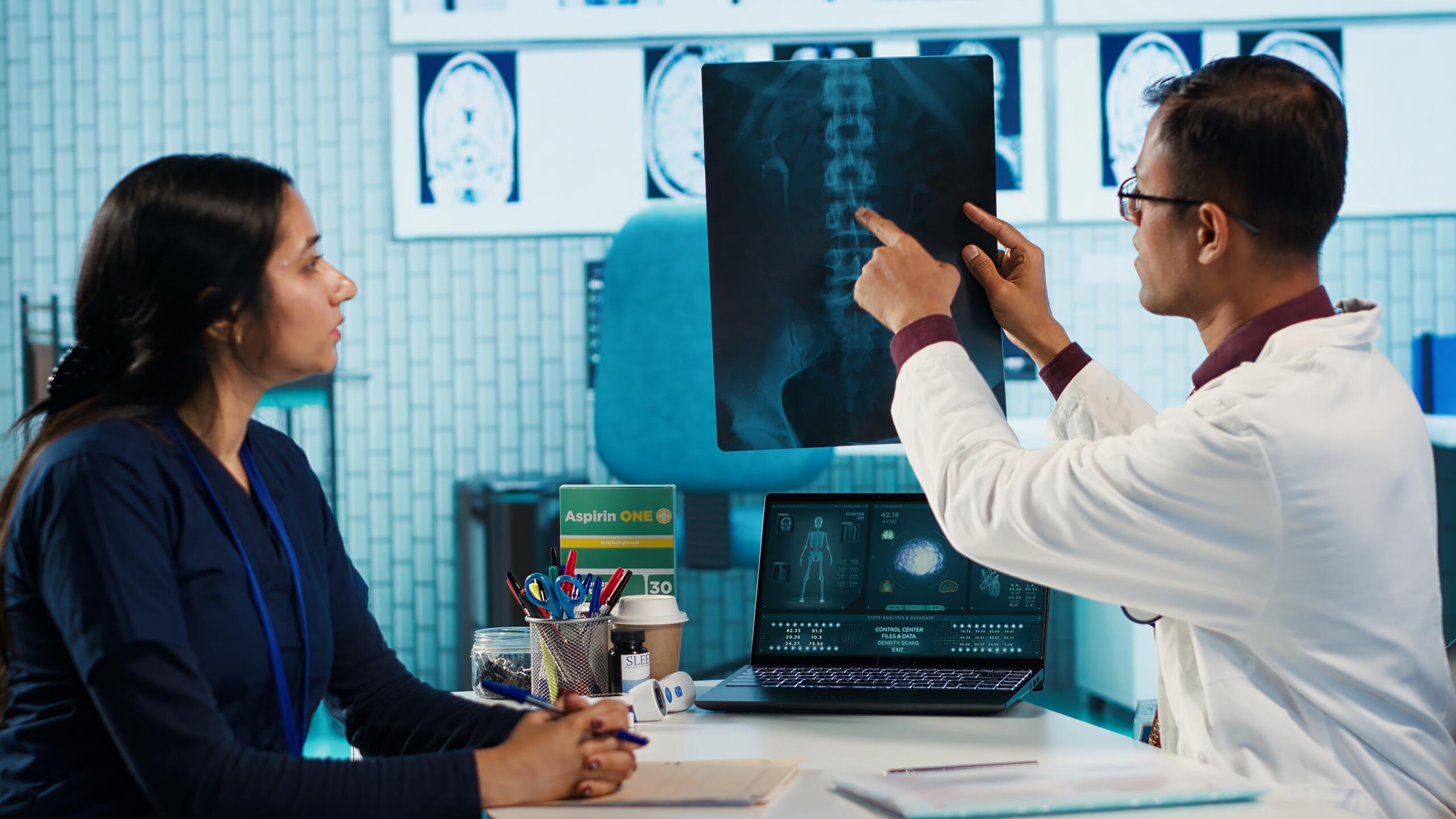
Is a Digital X-Ray Safe? Here’s What the Science Actually Says
If you’ve ever hesitated before getting an X-ray because of concerns about radiation, you’re not alone. It’s one of the most common questions patients ask before a scan. The good news is that modern digital X-ray technology has made the procedure significantly safer than it was even a decade ago. At Jhansi Diagnostics & Fetal Medicine Centre, digital X-ray imaging is carried out with equipment and protocols designed to keep radiation exposure as low as possible while delivering clear, accurate results.
Here’s what the science actually says.
What Is a Digital X-Ray?
A digital X-ray works on the same basic principle as a traditional film X-ray. A small amount of radiation passes through the body and creates an image based on how different tissues absorb it. Dense structures like bone absorb more radiation and appear white on the image. Soft tissues absorb less and appear in shades of grey.
The key difference with digital X-ray is how the image is captured. Instead of photographic film, a digital sensor records the image electronically. This means the image is available almost instantly, can be enhanced on screen for better clarity, and requires far less radiation to produce a clear result compared to older film-based systems.
How Much Radiation Does a Digital X-Ray Involve?
This is the question most patients really want answered. The honest answer is: very little.
To put it in perspective, a chest X-ray exposes you to roughly 0.1 millisieverts (mSv) of radiation. That’s approximately the same amount of natural background radiation a person receives just from the environment over ten days of normal life. You absorb background radiation constantly from sources like soil, building materials, and even the food you eat. A single digital X-ray adds a fraction on top of that.
A long-haul flight from India to Europe exposes you to more radiation than most standard X-rays. The dose from a digital X-ray is many times lower than a CT scan and considerably lower than older film-based X-rays. Regulatory bodies including the World Health Organisation and the International Atomic Energy Agency classify diagnostic X-rays as low-risk when used appropriately.
Is Digital X-Ray Safer Than Traditional X-Ray?
Yes, and by a meaningful margin. Digital X-ray systems require up to 80% less radiation than conventional film X-rays to produce an image of equivalent or better quality. This reduction is one of the primary reasons healthcare facilities worldwide have moved away from film-based systems.
Beyond lower radiation doses, digital systems also eliminate the need for chemical processing of film, which was both a health and environmental concern. The images produced are sharper, can be zoomed and adjusted digitally, and are stored electronically, reducing the risk of lost or damaged reports. You can learn more about the digital X-ray services available at Jhansi Diagnostics & Fetal Medicine Centre on the services page.
Who Should Be Cautious About X-Rays?
While digital X-rays are safe for the vast majority of patients, there are specific situations where extra caution is warranted.
Pregnant women are the primary group where X-rays are approached carefully. The developing foetus is more sensitive to radiation than adult tissue, particularly in the first trimester. That said, most X-rays of areas away from the abdomen, such as a chest or limb X-ray, involve negligible exposure to the foetus. If you are pregnant or suspect you might be, always inform the technician before the scan. The team at Jhansi Diagnostics & Fetal Medicine Centre follows standard safety protocols and will assess the necessity and approach on a case-by-case basis.
Children are another group where radiologists prefer to use the lowest possible dose, as younger bodies are generally more sensitive to radiation over a lifetime. Modern digital systems handle this well with paediatric-specific exposure settings.
For everyone else, including adults with chronic conditions requiring repeated imaging, the cumulative dose from necessary diagnostic X-rays is well within safe limits when managed appropriately by a qualified radiologist.
When Is a Digital X-Ray Recommended?
Digital X-rays are used across a wide range of clinical situations. Chest X-rays are among the most common, used to assess the lungs, heart size, and ribcage. They’re routinely ordered for respiratory symptoms, pre-operative evaluations, and health check-ups. Bone and joint X-rays help diagnose fractures, arthritis, and alignment issues. Abdominal X-rays can detect certain obstructions or abnormalities in the digestive tract.
Your doctor will only recommend an X-ray when the clinical benefit outweighs the minimal risk involved. If you’ve been referred for one and want to understand what it involves, the FAQs page has useful information. You can also view the full range of our services to understand what’s available at the centre.
What Happens During a Digital X-Ray?
The process is quick and straightforward. You’ll be asked to stand or lie in a specific position depending on the area being scanned. The technician will step behind a protective shield and the image is captured in a fraction of a second. You feel nothing during the exposure.
The entire procedure typically takes five to ten minutes including positioning. Results are processed digitally and are usually available the same day. There’s no recovery time and no restrictions on activity afterwards.
Should You Worry About Repeated X-Rays?
If your doctor has recommended multiple X-rays over time for monitoring a condition, it’s a reasonable question to raise. The general consensus in radiology is that the cumulative dose from medically necessary X-rays, even over years, remains well within safe thresholds for most patients. Your doctor weighs this against the clinical need each time they order one.
If you have concerns, discuss them openly with your doctor or with the radiologist at the centre. You can also reach the team through the contact us page or book your appointment directly if you’ve already been referred.
The science is clear: when used for appropriate medical reasons, a digital X-ray is a safe, reliable, and invaluable diagnostic tool. The radiation involved is minimal, the technology is far advanced from older film systems, and the information it provides can make a significant difference in your care.