

ECG
Accurate Heart Rhythm & Cardiac Health Assessment
An ECG (Electrocardiogram) is a quick, non-invasive diagnostic test that records the electrical activity of the heart. It helps detect irregular heart rhythms, heart disease, and other cardiac conditions, supporting timely medical evaluation and treatment.
At Jhansi Diagnostics, we provide reliable ECG testing using advanced equipment and standardized procedures. Our experienced healthcare professionals ensure accurate recordings and prompt reporting for effective cardiac assessment.
- Heart Rhythm Monitoring
- Quick & Painless Procedure
- Accurate Diagnostic Results
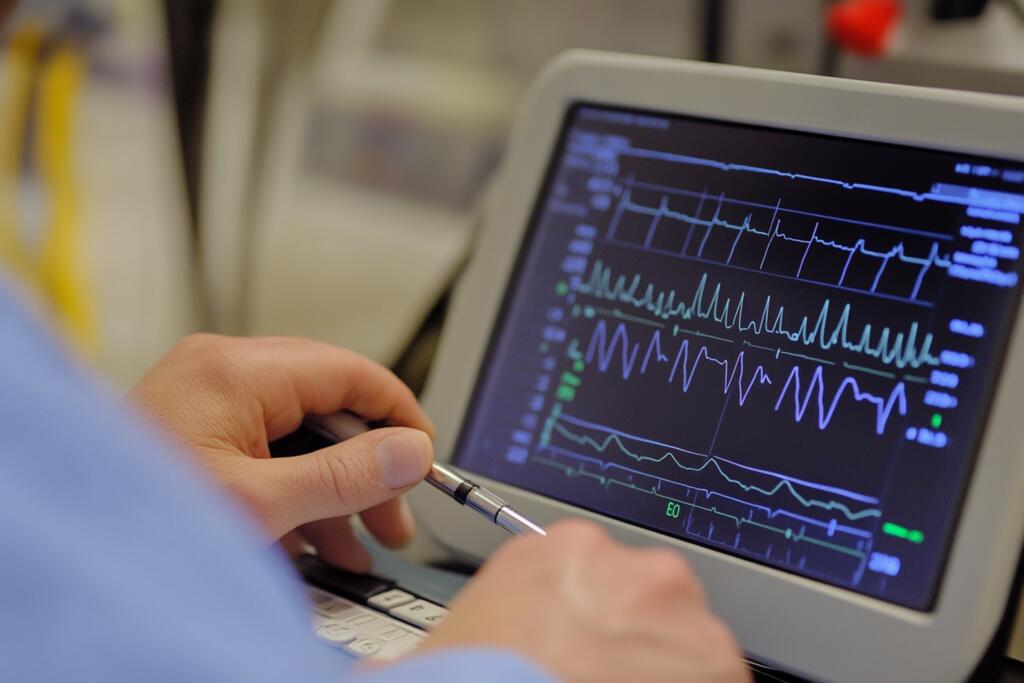
Our Services
Reliable Cardiac Testing for Better Heart Health
We offer accurate ECG examinations to evaluate heart rhythm, detect cardiac abnormalities, and support timely diagnosis and treatment decisions
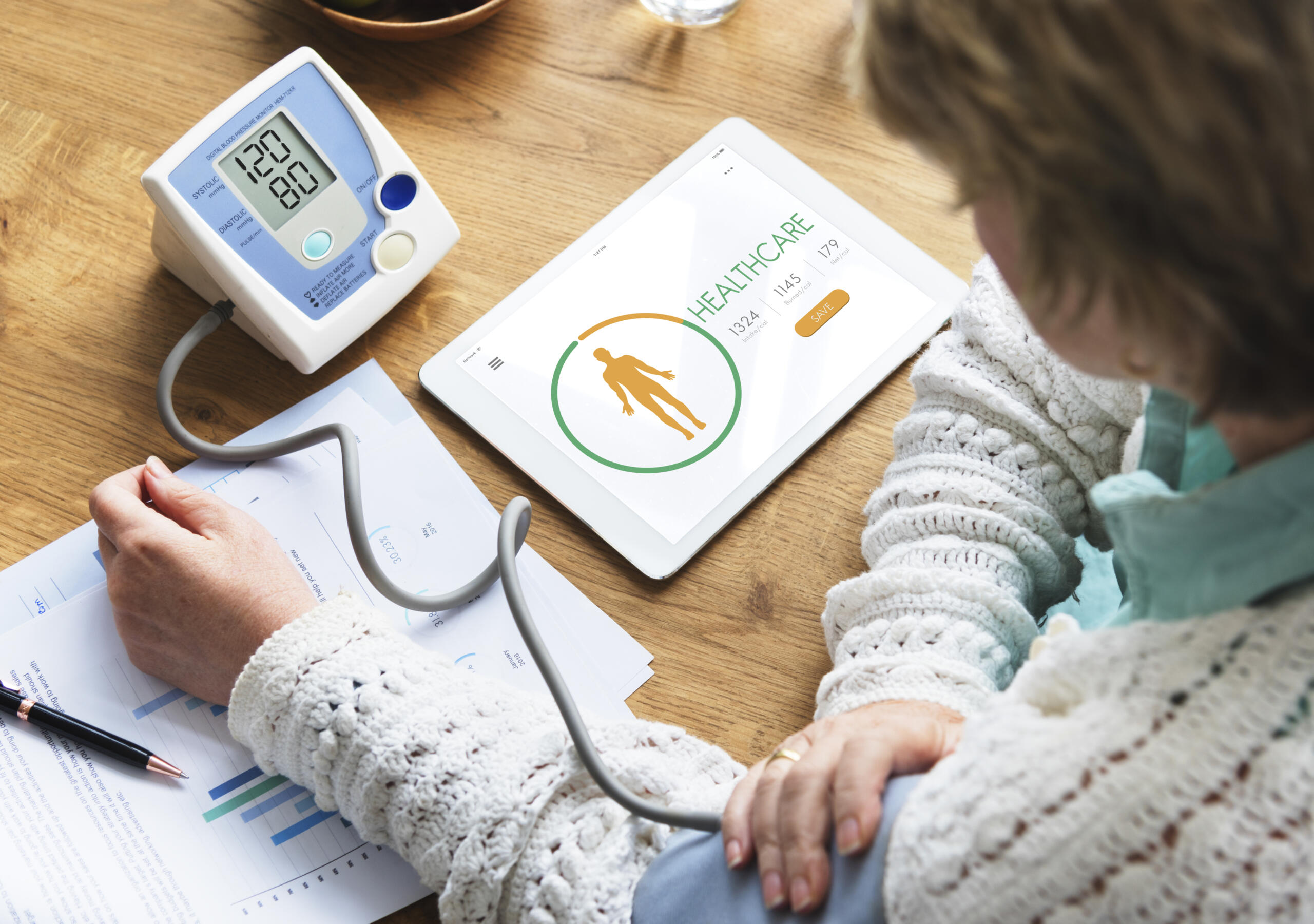
Resting ECG
Records the heart's electrical activity while you are at rest.

Routine Cardiac Screening
Helps identify potential heart conditions during regular health checkups.
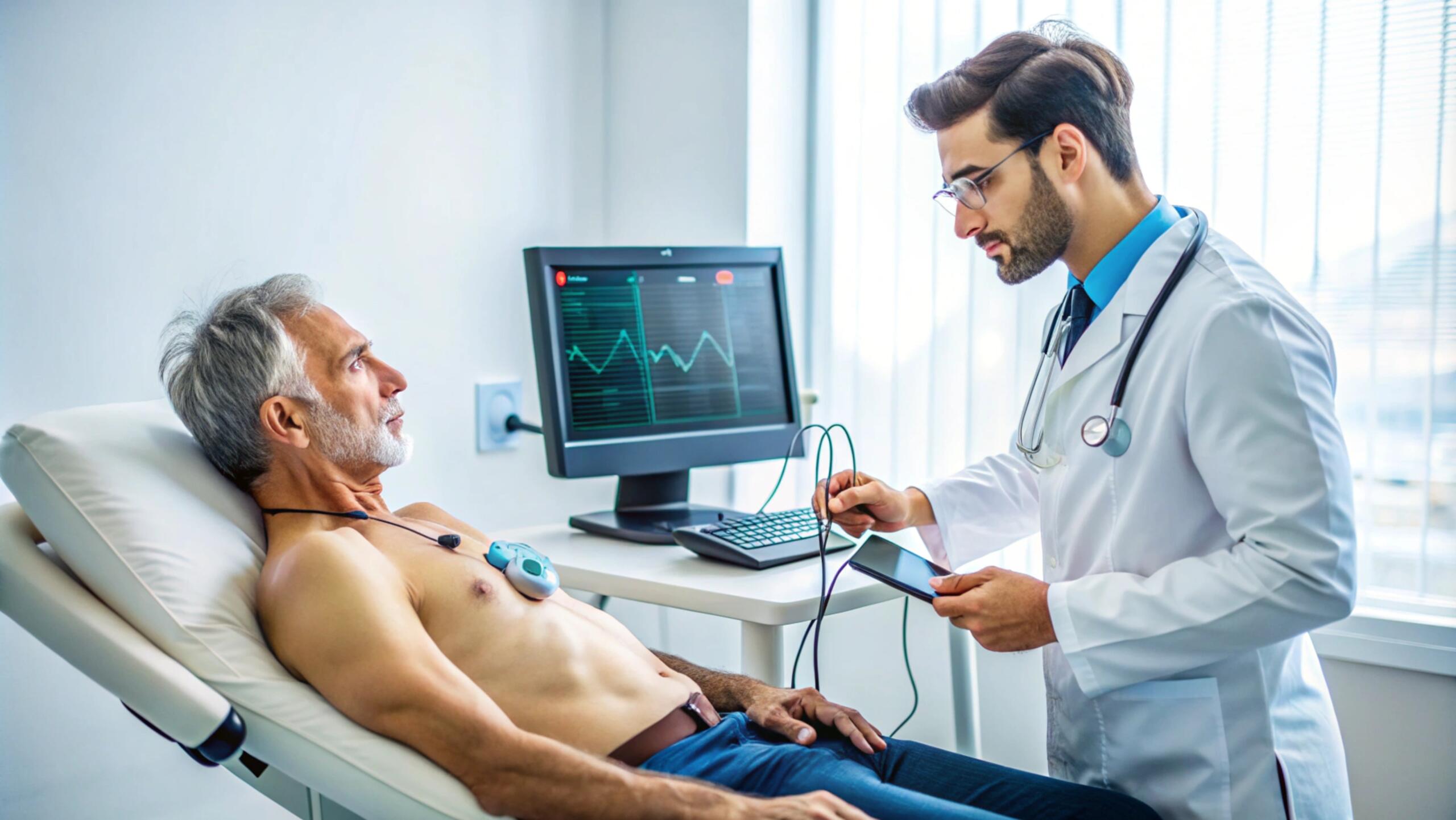
Diagnostic ECG Testing
Supports physicians in diagnosing arrhythmias, heart disease, and related conditions.
Features
Why Choose Our ECG Services?
Our ECG services combine advanced technology, experienced professionals, and accurate reporting to help assess heart health quickly and reliably.
Accurate Heart Assessment
Advanced ECG equipment captures precise heart activity for dependable cardiac evaluation and diagnosis.
Quick Testing Process
ECG tests are completed within minutes, ensuring convenience and minimal waiting time.
Experienced Healthcare Team
Skilled professionals perform every test carefully, maintaining accuracy and patient comfort throughout.
Timely Reports
Receive clear, detailed ECG reports promptly to support faster medical decisions and treatment planning.
Wear Comfortable Clothing
Wear loose, comfortable clothing and avoid garments containing metal buttons, zippers, or decorative accessories that may affect imaging.
Avoid Stimulants Before Testing
Avoid excessive caffeine, energy drinks, and smoking before the test, as they may temporarily affect heart activity.
Keep Skin Clean and Dry
Ensure your chest area is clean and dry, free from lotions, oils, or creams before testing.
Patient Preparation
Following a few preparation steps before your ECG test helps ensure accurate recordings, reliable results, and a comfortable testing experience.
Bring Relevant Medical Records
Carry previous ECG reports, prescriptions, and medical history documents to assist healthcare providers during evaluation.
Who Should Get an ECG?
ECG testing is recommended for individuals experiencing heart-related symptoms or requiring routine cardiac health evaluation.
People with Chest Pain
Those with Irregular Heartbeats
Individuals with Shortness of Breath
People with Heart Disease Risk Factors
Nuchal Translucency (NT) Scan
The Nuchal Translucency (NT) Scan is performed between 11 and 13 weeks 6 days of pregnancy to assess early fetal development and screen for chromosomal conditions, including Down syndrome and major fetal abnormalities.
Why is an NT Scan Important?
Accurate Pregnancy Dating : Helps determine the baby’s gestational age and estimated delivery date.
Detection of Multiple Pregnancies : Identifies twins or multiple pregnancies and assesses placental sharing.
Early Fetal Assessment : Screens for major structural abnormalities visible during early pregnancy.
Assessment of Chromosomal Risk : Evaluates the risk of Down syndrome and other chromosomal conditions.
Advanced Risk Evaluation : Combines ultrasound findings with maternal age and blood test results for comprehensive screening.
Assessment of Chromosomal Risk : Evaluates the risk of Down syndrome and other chromosomal conditions.
FAQs About ECG Test
An ECG (Electrocardiogram) records the electrical activity of the heart to evaluate heart rhythm and function.
Most ECG tests are completed within 5–10 minutes, making it a quick and convenient procedure.
No, an ECG is completely painless and non-invasive. Electrodes are simply placed on the skin.
Minimal preparation is required. Wear comfortable clothing and avoid excessive caffeine before the test.
Results are typically available shortly after testing and can be reviewed by your healthcare provider.